If you often wear sunglasses, you've surely heard the term “polarized lenses”. But you may not know exactly what it means — or why so many people consider them essential for everyday wear.
In today's article, COSSELIE explains what polarized sunglasses are, how they work and why they're the “smartest” choice for anyone who wants clear vision and comfort under the sun.
What “polarized” means
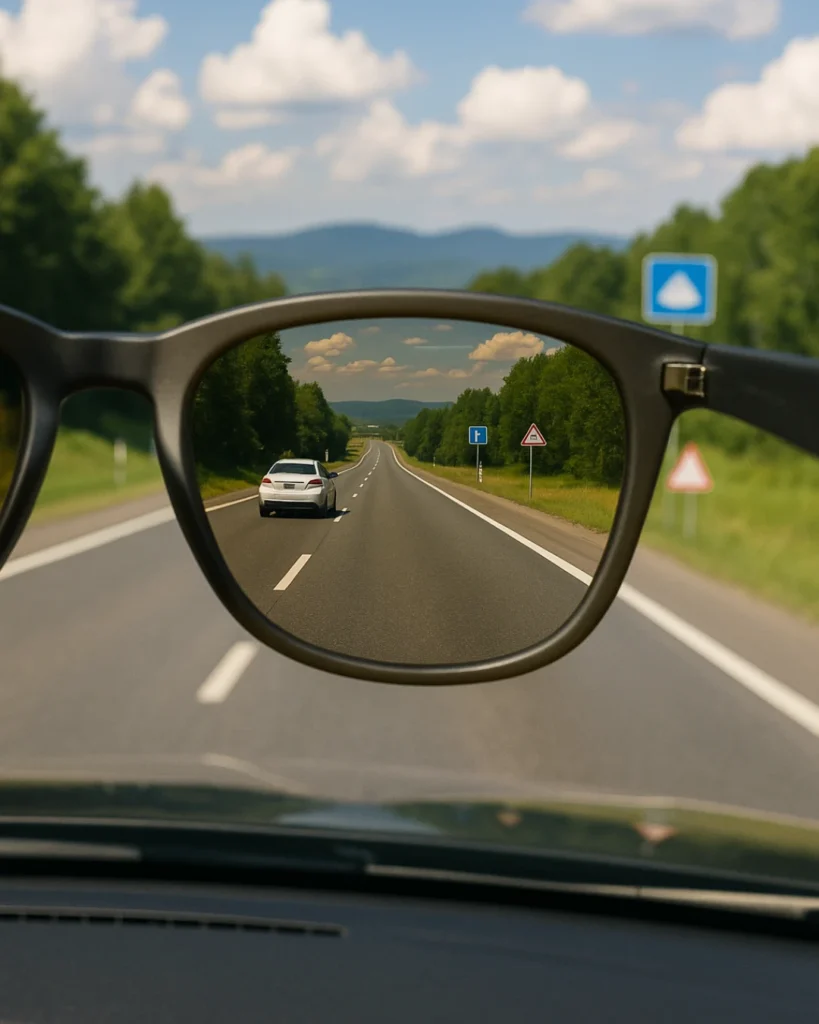
Polarized lenses have a special filter that reduces reflections from surfaces such as water, the road or the windshield.
This filter “filters out” the horizontal light that causes glare and haze, letting only vertical light pass through.
The result? A clearer, more relaxed view, with vivid colors and high definition.

The advantages of polarized sunglasses
- Less glare: Ideal for driving, the sea or the ski slopes.
- Better contrast & colors: Shades look more natural and crisp.
- Protection from eye strain: Less effort to focus in bright light.
- Safer driving: More clarity on road surfaces and signs.
- UV protection: Most polarized lenses also offer full protection from ultraviolet rays.
Myths about polarized lenses
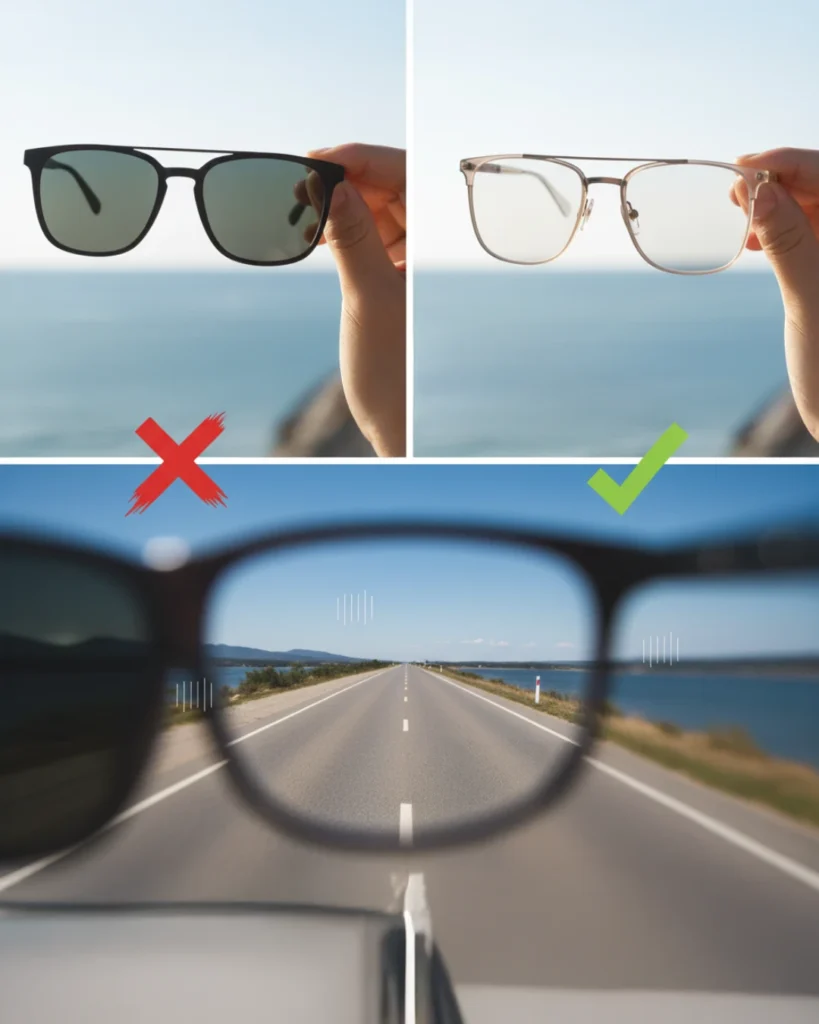
Many people believe all sunglasses are polarized.
Wrong.
Most just have a UV filter — but not polarization.
Also, polarized lenses aren't necessarily darker; the difference lies in the filter technology, not in the depth of the tint.
Which polarized sunglasses should I choose
The choice depends on how you'll use them:
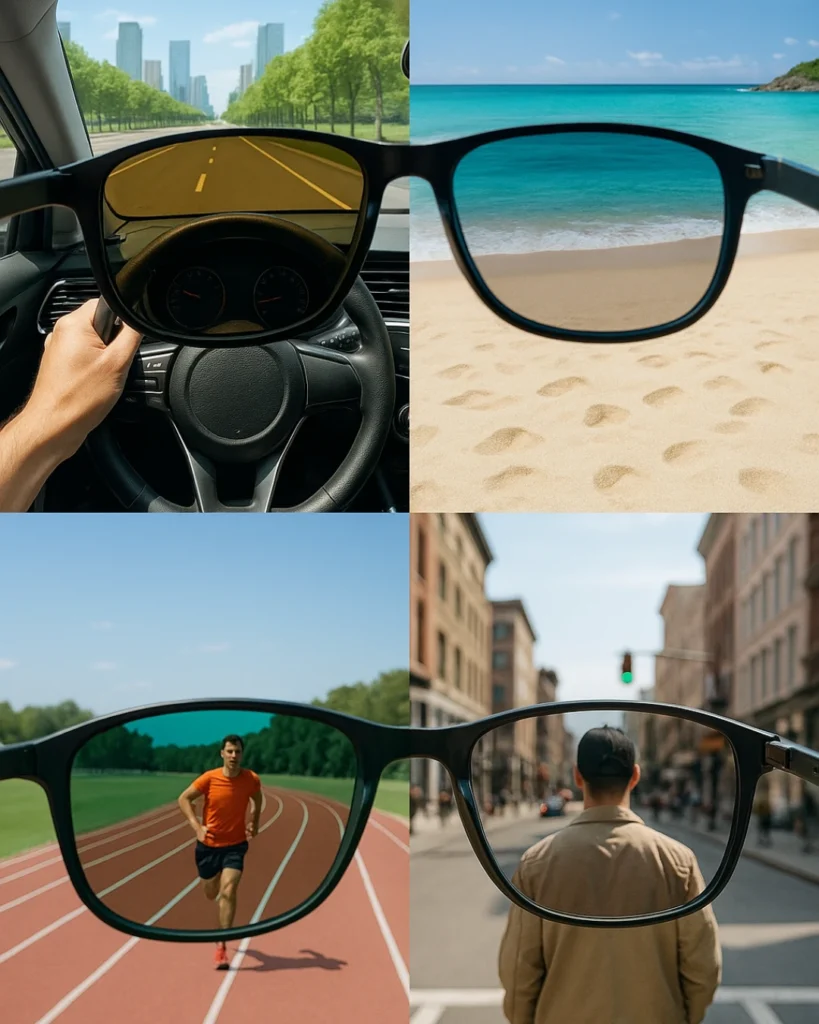
- For driving, go for brown or grey polarized lenses
- For the beach or sports, go for blue or green
- For urban lifestyle, mirrored lenses (mirror polarized) offer style and protection
If you spend many hours outdoors, drive, or simply want your eyes to rest more, polarized sunglasses are the best investment.
They offer clearer vision, better colors and less eye strain, while effectively protecting you from strong light.
Discover the polarized eyewear collection from COSSELIE and see the difference with your own eyes →