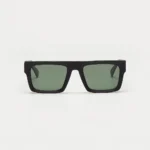
Morning, on the way to work, the sun has just come up and it's right in front of you. The sun visor isn't enough, the road is wet from last night's rain and it shines. You squint and slow down without realizing it.
If that sounds familiar, you're not alone. The low winter sun is one of the most underrated challenges of driving — and the right pair of sunglasses is the simplest fix.
Why the winter sun is harder to deal with
- The sun sits low on the horizon for more hours, so it hits your eyes directly — especially at rush hour, morning and afternoon.
- A wet road acts like a mirror and creates strong glare.
- The glass of the car, when it isn't spotless, scatters the light and blurs the view.
You'll find more on why you need glasses in winter too in Why you need sunglasses in winter too.
What polarized lenses do for driving
Glare from wet asphalt, car hoods and shop windows is mostly horizontal light. Polarized lenses have a filter that blocks it. The result: less dazzle, better contrast, relaxed eyes — and faster reactions. Full details in What polarized sunglasses are.
Which lenses to choose
- Category 2 or 3: Cat 3 for sunny days, Cat 2 for cloudy ones. Both are allowed for driving.
- No Cat 4: they're very dark and banned for driving.
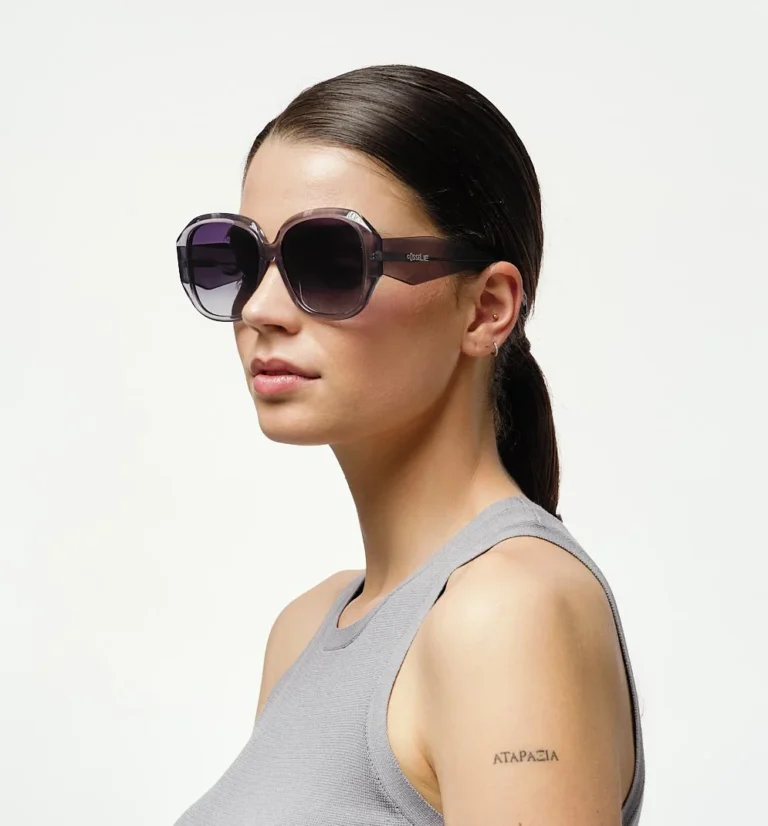
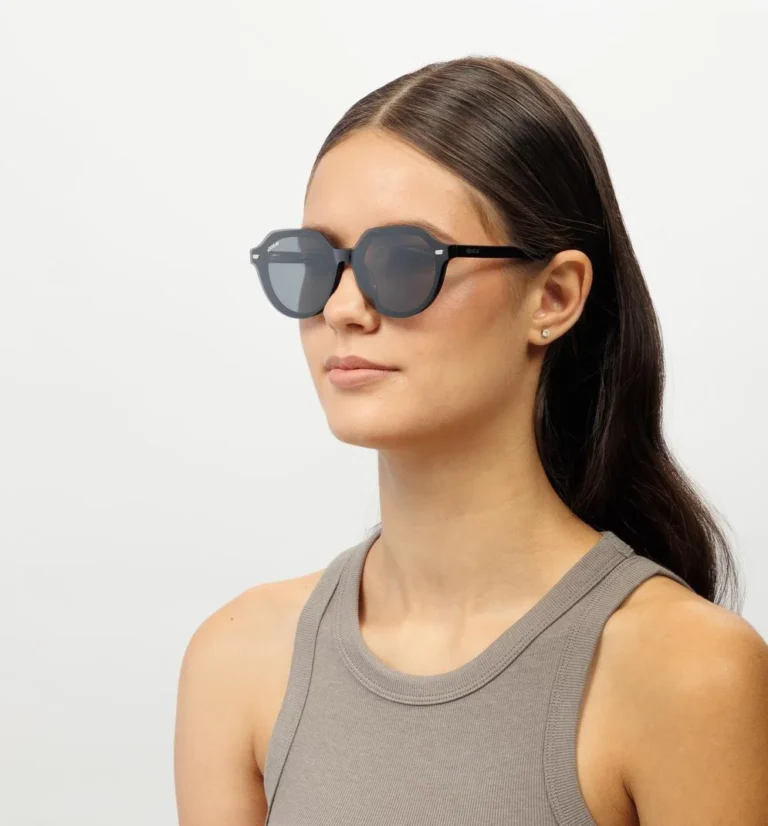
- Grey or brown lenses: grey keeps colors natural, brown boosts contrast on cloudy days. Avoid bold colors (blue, pink) if you drive a lot, because they change the colors of traffic lights.
- UV400: always.
Shape and fit
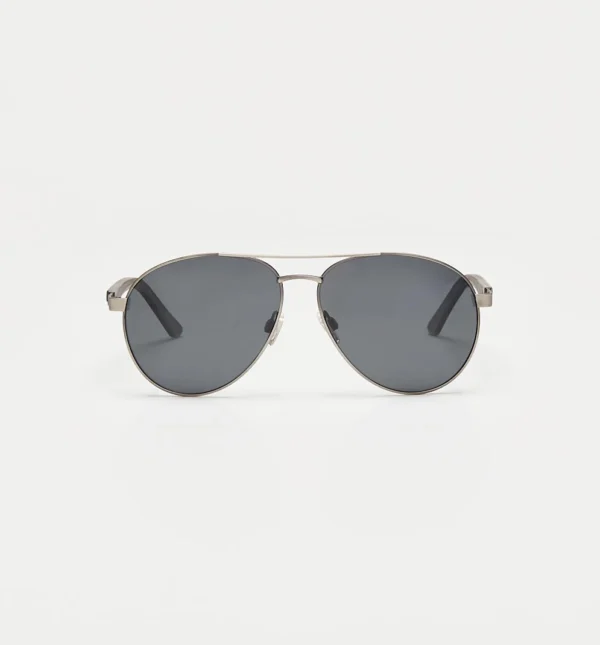
For driving you want good coverage without cutting off your side vision. Rectangular, aviator and medium square shapes do exactly that. The frame should sit securely on your nose, without slipping when you turn your head to check the mirror. If you don't know your size, see the size guide.
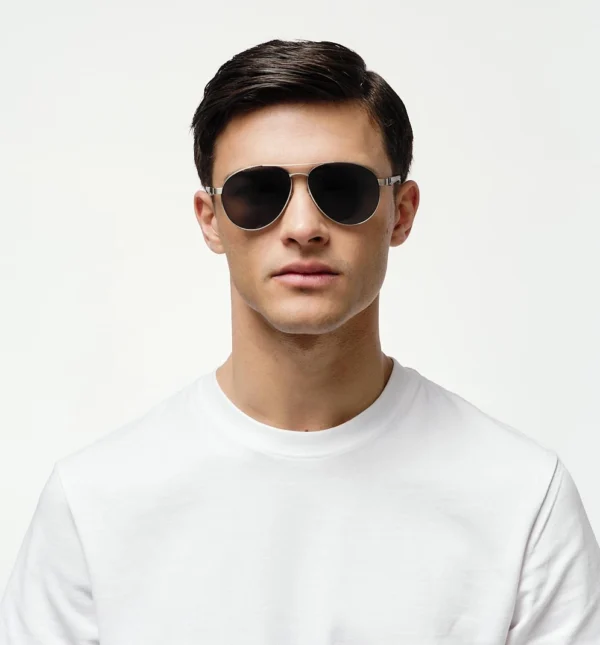
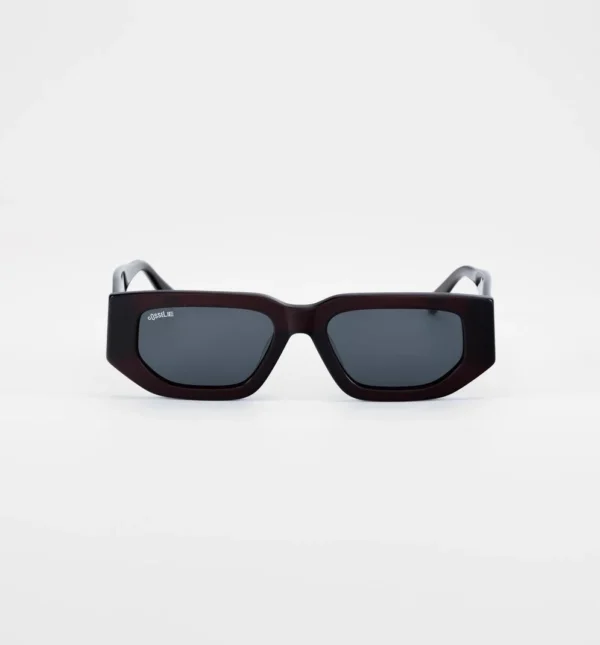
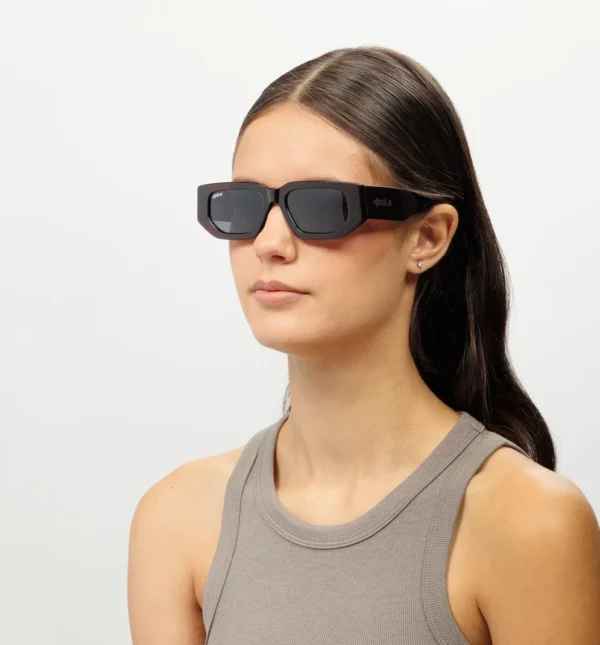

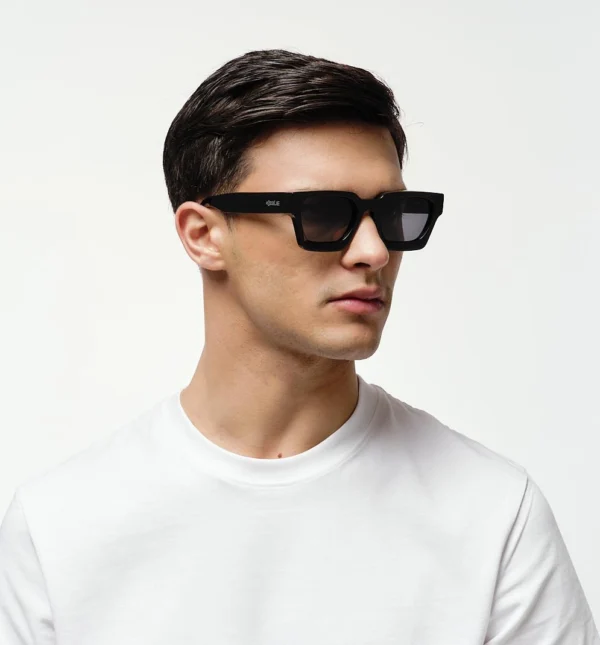
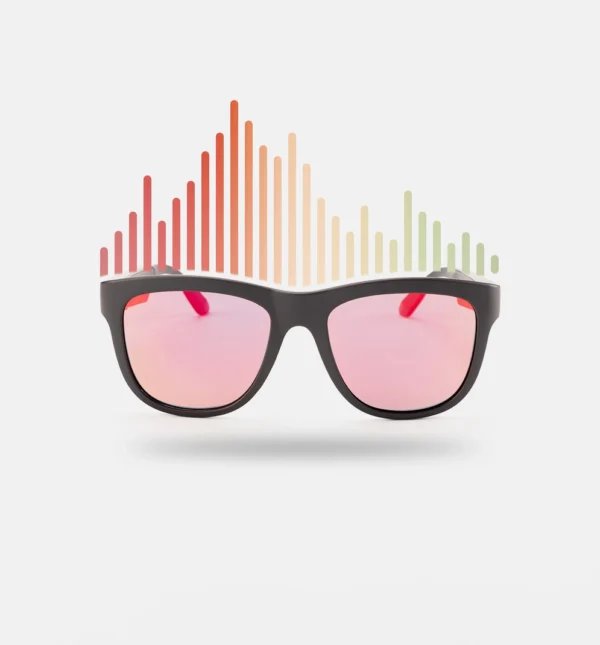
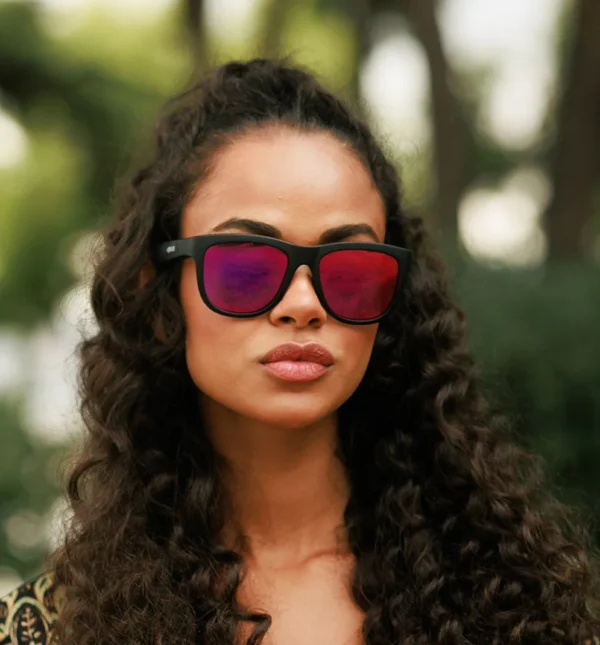
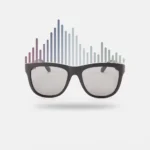
If you talk on the phone while driving, the Jam smart glasses have a built-in microphone and speakers for hands-free calls, with Cat.3 polarized lenses.
6 tips for driving safely in the sun
- Keep a pair of glasses in the car at all times, in a case — not on the dashboard, where they get hot.
- Clean the windshield on the inside too: haze on the inside increases glare.
- Use the sun visor together with your glasses, not instead of them.
- Leave a bigger distance from the car in front when the sun is in your face.
- With polarized lenses, some screens (phone, dashboard) may look darker at certain angles — that's normal.
- Take your sunglasses off at dusk and in tunnels. At night they don't help; they reduce visibility.
FAQ
Which sunglasses are best for driving?
Polarized, category 2 or 3, with grey or brown lenses and a UV400 filter, in a shape that doesn't cut off your side vision.
Are Cat 4 glasses allowed for driving?
No. Category 4 lenses are unsuitable for driving, according to the European standard for sunglasses.
Do glasses with yellow lenses help with night driving?
No. Every filter reduces the light that reaches your eyes. At night, drive without sunglasses.