Most people only wear sunglasses in summer.
Wrong.
The sun doesn't “switch off” in winter — it just behaves differently. And in many cases it becomes more annoying and more dangerous for your eyes.
If you've only ever linked sunglasses with the beach and vacations, this article is for you.

The winter sun sits low – and that's a problem
In winter, the sun sits lower on the horizon.
That means:
- It hits straight into your eyes
- It creates intense glare
- It tires your eyes much faster
If you drive in the morning or afternoon, you know the feeling:
The sun right in front of you, you squint, you tense up, you strain.
Here, sunglasses aren't about comfort — they're about safety.

UV radiation has no seasonal off switch
Ultraviolet (UV) radiation is there all year round.
The cold doesn't reduce it.
Quite the opposite:
- Clouds don't block UV
- The winter sun often goes unnoticed, so we expose our eyes without protection
Long-term UV exposure:
- Tires the eyes
- Contributes to vision problems
- Speeds up aging of the area around the eyes
That's why sunglasses aren't a seasonal accessory. They're a protective tool

Snow, wet roads, concrete: the glare you don't expect
You don't need to be in the mountains to get strong reflections.
- Wet roads
- Light-colored buildings
- Snow or ice
All of these act like mirrors that bounce light back into your eyes.
The result:
- Discomfort
- Reduced visibility
- Headaches
- Eye strain
A good pair of sunglasses drastically reduces this effect.
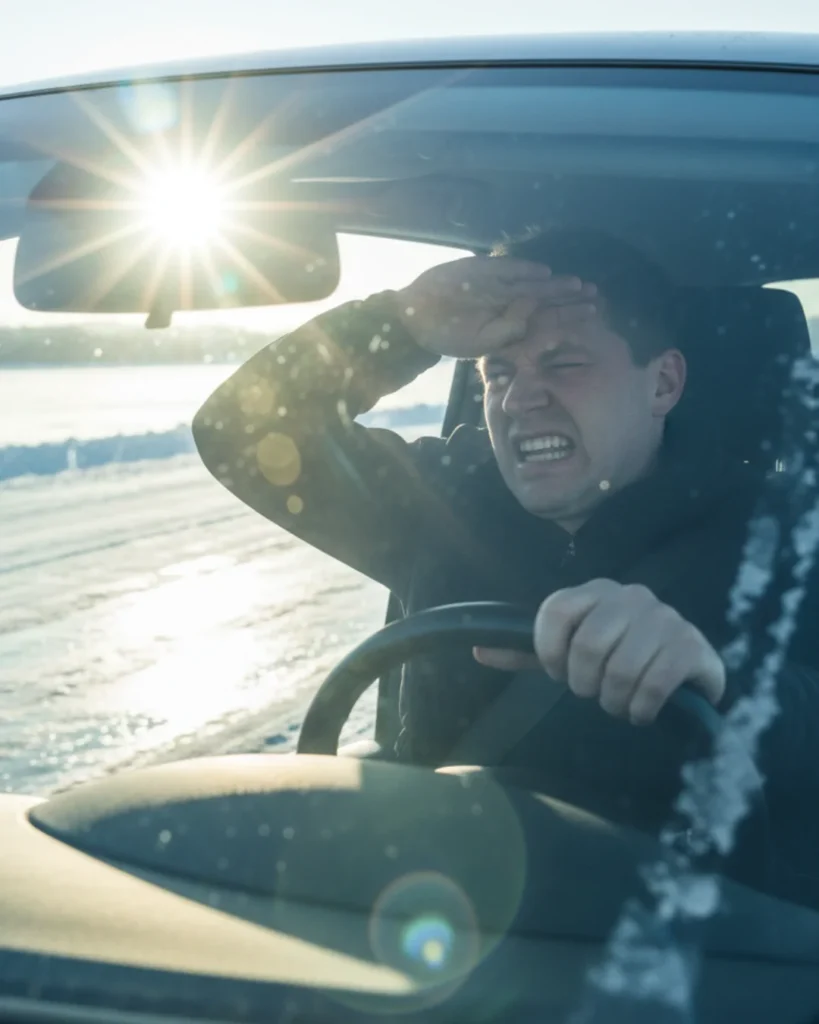
Driving in winter without sunglasses? Bad idea
Winter driving is already more demanding:
- Days are shorter
- The sun is lower
- There's sharp contrast between light and shadow
Without sunglasses:
- You're slower to focus
- You get tired faster
- You raise the risk of mistakes
It's no coincidence that many drivers wear sunglasses all year round.
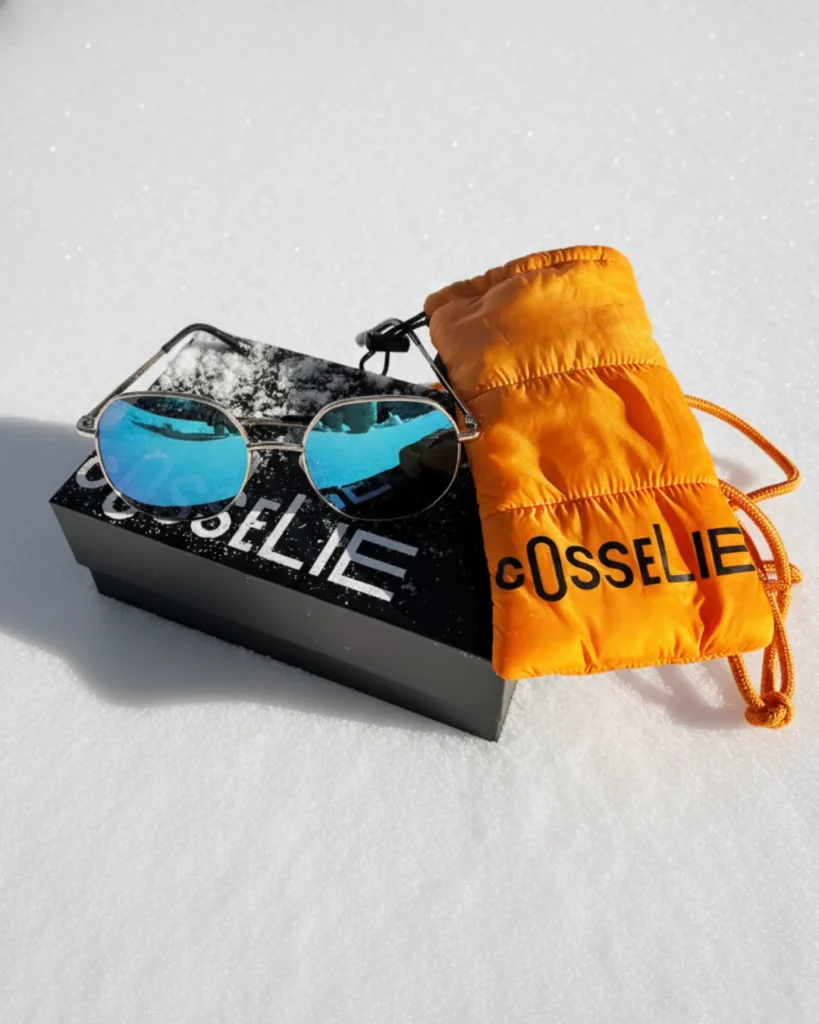
What to look for in sunglasses for winter wear
No exaggeration, the essentials are:
- UV400 protection
- Lenses that reduce glare
- A design that's comfortable to wear all day
- A good fit for stability while driving
You don't need anything “special.”
You need something right.
Sunglasses aren't just for the beach sun.
They're for the everyday sun.
And in winter:
- The sun tires your eyes
- UV is there
- Driving gets more demanding
If you see them as a protective tool rather than fashion, sunglasses have a place all year round.