Winter in the mountains has something magical about it: clean air, sunshine and white everywhere. But that white is also the reason your eyes need more protection than at the beach.
Why snow is more dangerous than the sea
According to the World Health Organization, fresh snow reflects up to 80% of ultraviolet radiation, while sand reflects about 15% and water even less. On top of that, UV rises by about 10% for every 1,000 meters of altitude. So at 2,000 meters you get radiation from above and below — even when it's cloudy.
Without the right glasses, the result can be so-called “snow blindness” (photokeratitis): a painful “sunburn” of the cornea that shows up hours after exposure.
Which lens category you need
- Category 3: the right choice for most winter outings — walks in the snow, ski resorts, lifts, coffee on the slopes, driving up to the mountains.
- Category 4: for very intense light at high altitude or on glaciers. They're so dark that they're not allowed for driving.
- Category 2: for overcast skies and low light, not for a sunny day in the snow.
Whichever category you choose, the UV400 filter is essential. For the difference between Cat 2 and Cat 3, see this guide.
Why polarized lenses help so much in the snow
Glare from snow is “horizontal” light that dazzles and tires your eyes. Polarized lenses filter it out, so you see the texture of the surface better and get less tired. That's why all the sunglasses we suggest here are Cat.3 polarized. More in what polarized glasses are.
Shape: the more coverage, the better
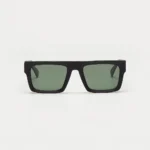
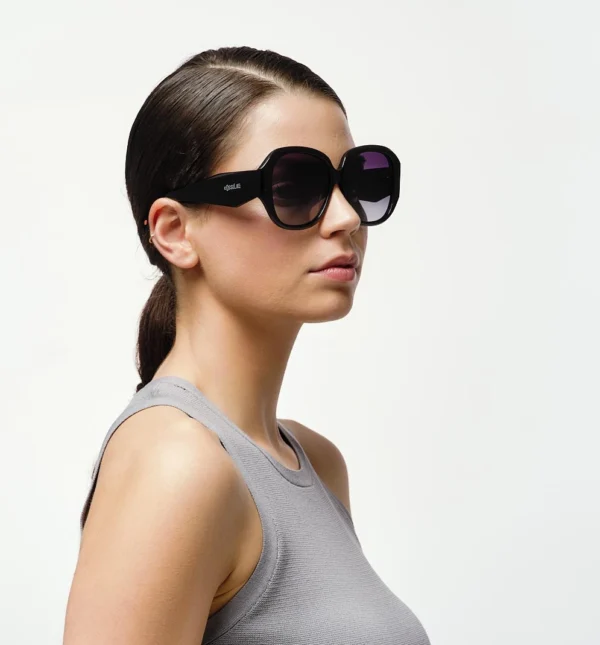
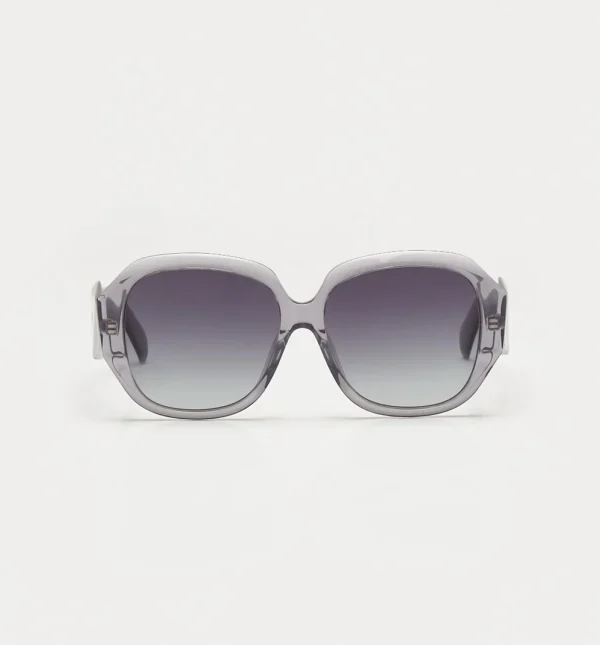
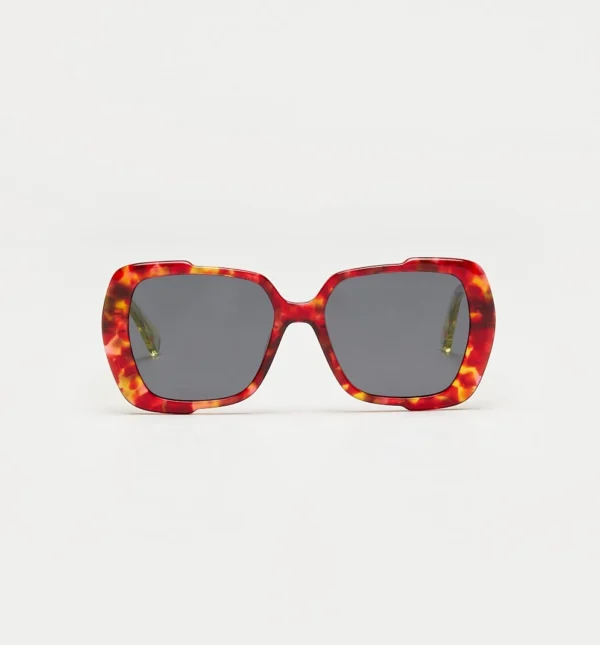
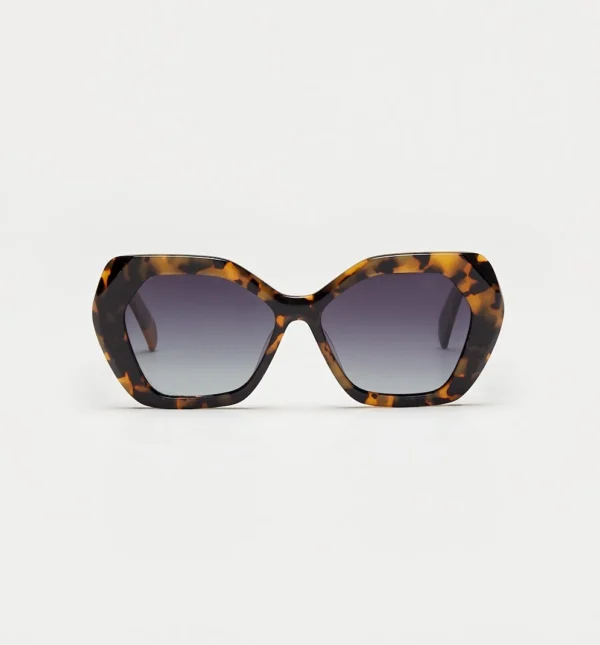
In the snow, light comes from everywhere, including the sides. Go for larger frames (oversized, rectangular) that cover the eye area well and sit securely. Very small, round shapes let more light in from the sides.




Sunglasses or ski goggles?
For the skiing or snowboarding itself, goggles are the safest choice: they fit around your face and protect against wind, snow and falls. Sunglasses are for everything else: snow hikes, the lift, a stroll through the village, après-ski and the drive there. Most visitors to a ski resort spend most of their time doing exactly that.
Quick tips for the mountains
- Wear your glasses even when it's cloudy — UV gets through the clouds.
- Keep them in a case: sudden temperature changes and keys in your pocket scratch the lenses.
- Clean them with a microfiber cloth, not your scarf. See 7 habits that ruin your glasses.
- The same goes for kids — even more so, because their eyes are more sensitive.
FAQ
Do I need sunglasses in the snow if it's cloudy?
Yes. Ultraviolet radiation gets through the clouds and the snow reflects it. On cloudy days you can go for Cat 2, but always with UV400.
Can I drive with Cat 4 lenses?
No. Category 4 lenses let very little light through and are not allowed for driving. For the drive to the mountains, Cat 3 polarized.
Can I see screens properly with polarized lenses in the mountains?
Some screens (phone, dashboard) may look darker through polarized lenses at certain angles. That's normal and doesn't affect protection.