How to stay stylish even with sand on your feet
The beach isn't just sunscreen, a straw mat and ice cream – it's also tough on your eyes. Reflections, harsh light, salt, sand and story filters all work together. That's where you find out whether your sunglasses are just “nice” or truly comfortable and protective. So before you choose which pair comes along, see what you really need to watch out for.

Do I really need different sunglasses for the beach?
Yes. Not because it's trendy – but because the environment there is more intense: sun, glare, sea, light everywhere. The right sunglasses aren't just about protection; they're about comfort too.
Think about it: you're wearing a frame that slips or bothers you in the sand. Or a dark lens that tires you out when it's cloudy. That's why a “beach” pair makes all the difference.

Which sunglasses do you wear when you shoot a story? (And how to turn heads):
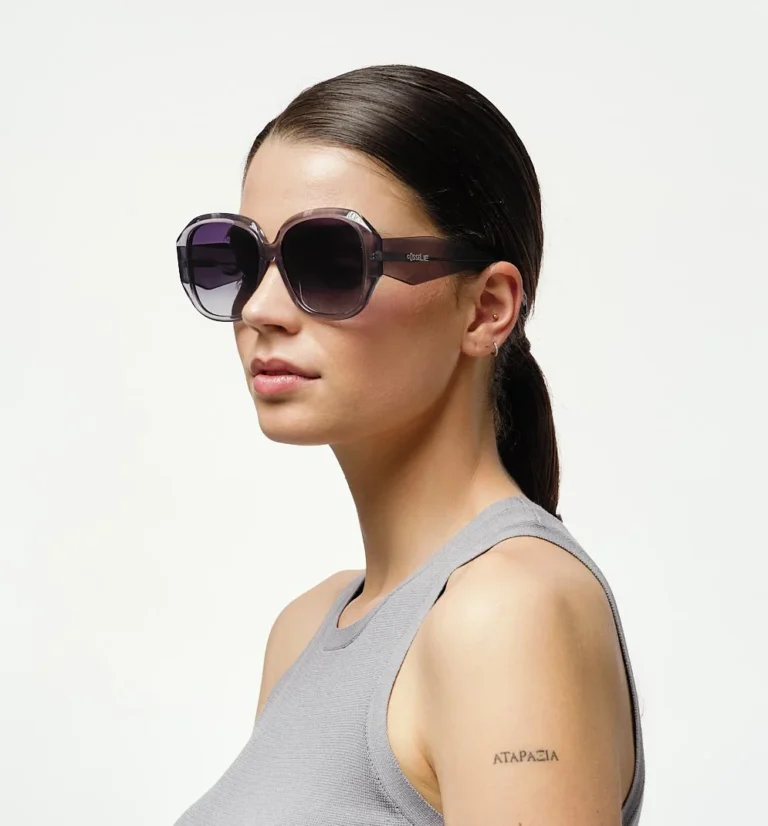
Let's be honest. We all post moments from the beach – and the sunglasses always show. Pick a design that catches the eye without shouting. Ideas that work this year:
Mirrored lenses: perfect in bright light, they look bold and futuristic.
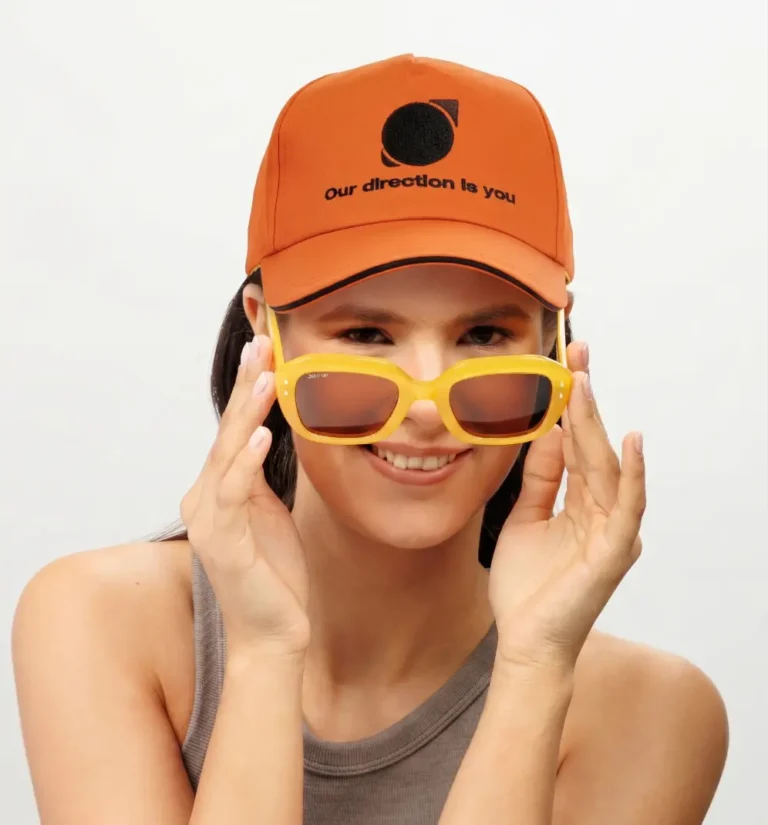
Pastel frames: they bring summer energy without boxing you in.
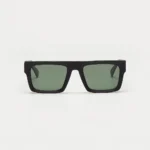
90s-inspired designs: small, thin frames in black or brown. If you lean more fashion-forward.

Can fashion sunglasses handle sand? Heat? The sea?
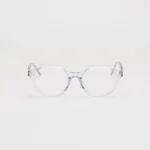
Not always. If your frame is very delicate (e.g. thin metal or clear acetate that scratches easily), keep it for the city. For the beach, go for matte or soft-touch finishes, which are easier to clean and don't get marked by sunscreen or sweat.
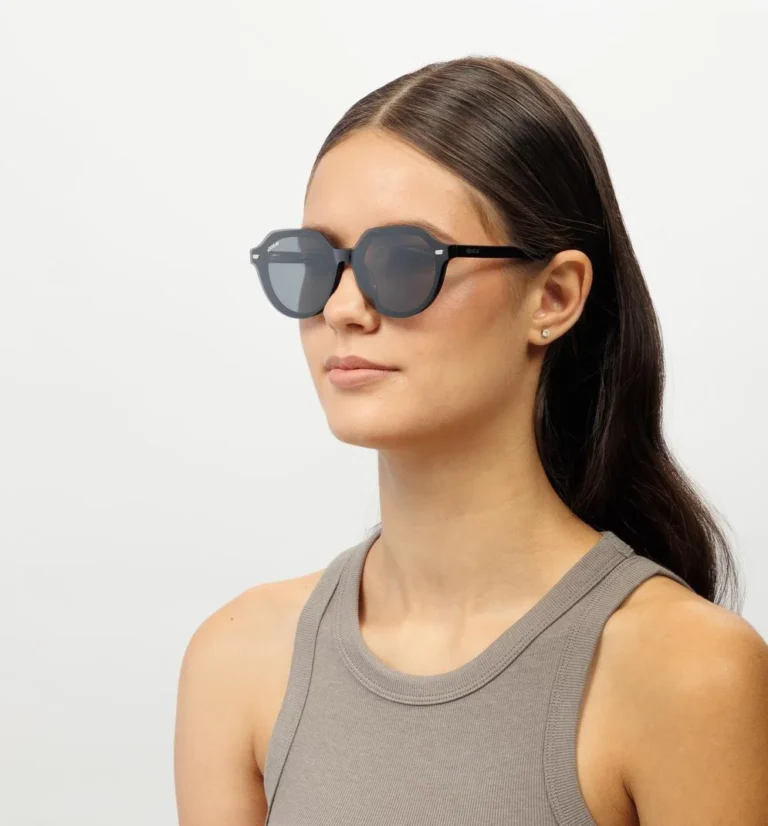
Also, polarized sunglasses make a huge difference in strong light and sea glare – if you want both protection and quality.