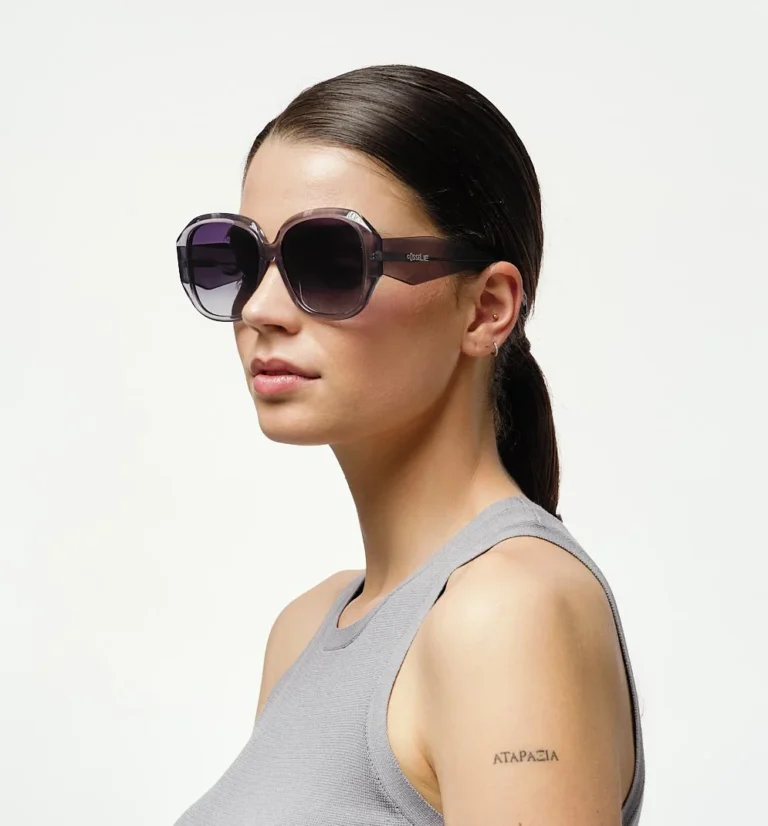
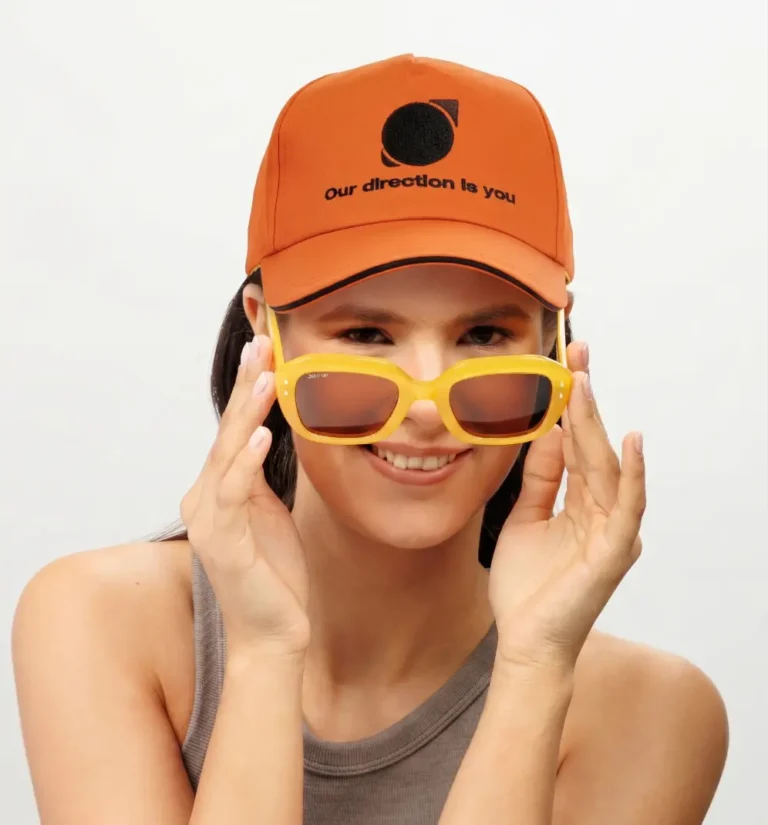
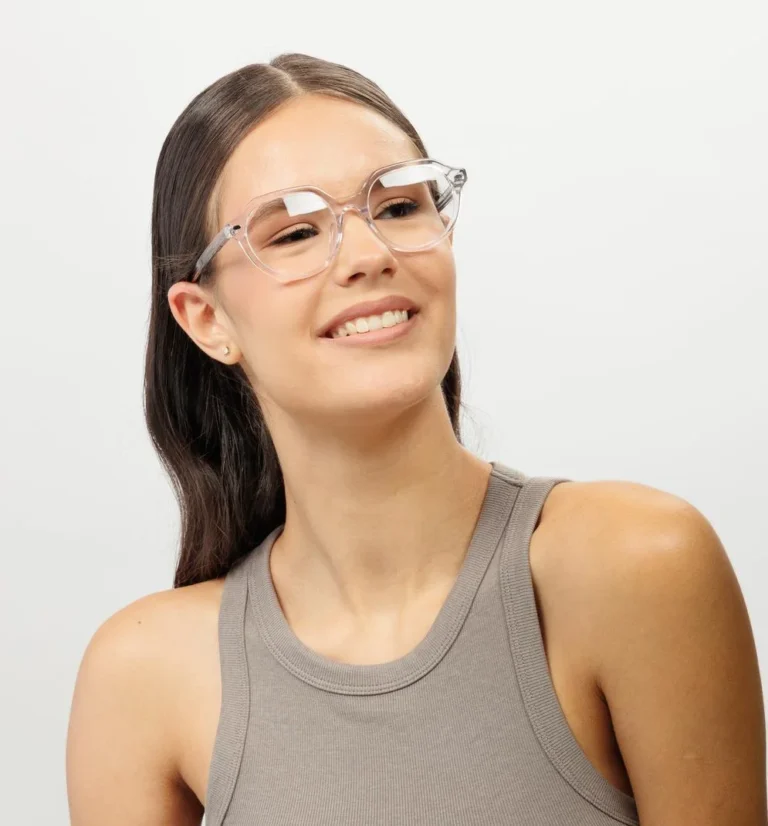
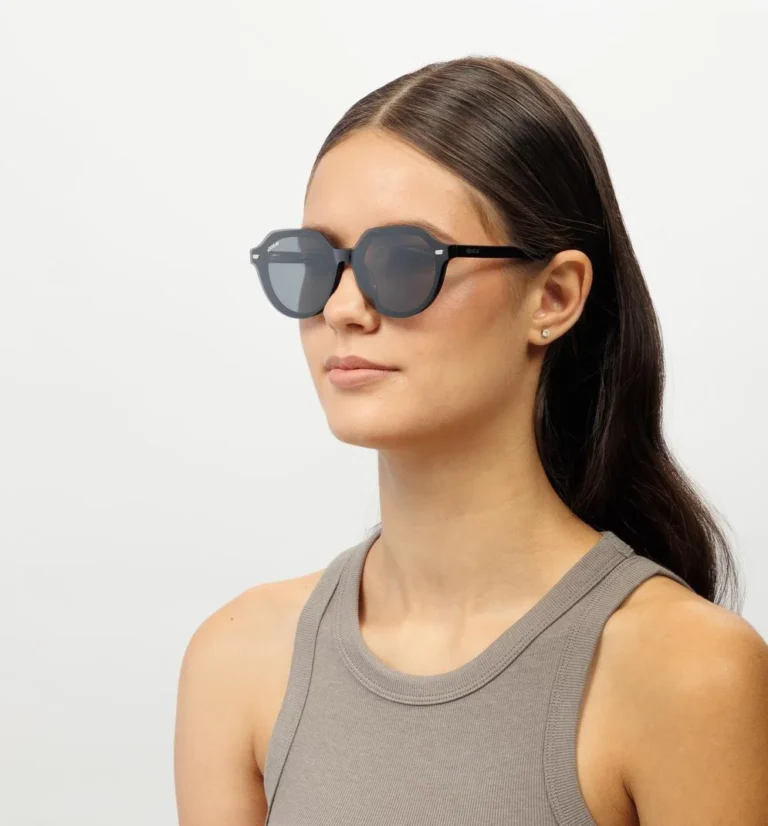
When it comes to protecting your eyes from harmful ultraviolet (UV) rays, not all sunglasses are the same. Choosing sunglasses for UV protection is vital for keeping your eyes healthy. Here's what you need to know:

Understanding UV protection
UV radiation from the sun can cause a range of eye problems, from cataracts to macular degeneration. The best sunglasses should block 100% of UVA and UVB rays. Always look for labels that say “100% UV protection” or “UV400”, which blocks wavelengths up to 400 nanometers, covering all UV rays.

Lens material and coatings
Lens material and coatings play an important role in UV protection. Polycarbonate lenses are lightweight, impact-resistant and provide 100% UV protection. You can also choose sunglasses with extra coatings, such as anti-reflective coatings, which reduce glare and improve comfort.
Polarized lenses: More than UV protection
Polarized lenses not only block UV rays but also reduce glare, making them ideal for activities like driving or time near water. While polarization is a great feature, remember that it doesn't increase UV protection; it improves visual comfort.

Fit and comfort
The best sunglasses for UV protection should fit well and be comfortable to wear for long periods. Look for a pair that sits securely on your nose and ears without bothering you, and make sure the lenses fully cover your eyes.
Conclusion
Investing in high-quality sunglasses with 100% UV protection is essential for protecting your eyes. Whether you choose polarized lenses or simply a stylish pair that fits well, making sure your sunglasses give full UV coverage is key to keeping your eyes healthy.